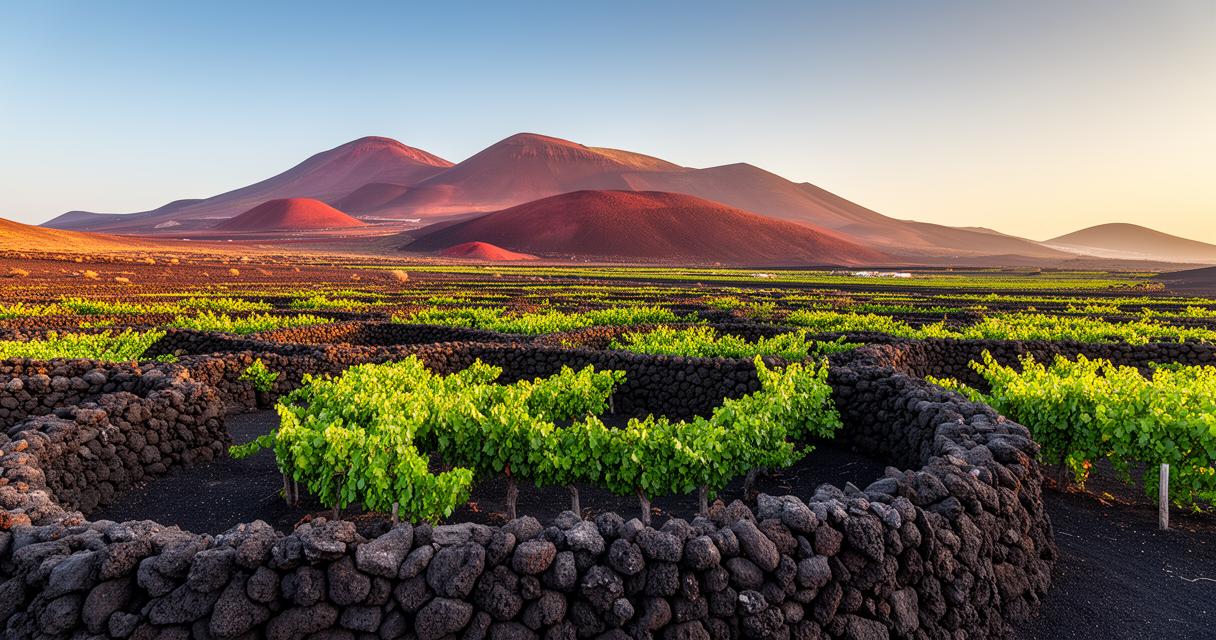
Lanzarote is unlike any other wine region in Spain. Carved from lava and ash, its vineyards sit within one of the most dramatic landscapes in Europe, where the vines grow not in neat rows but in hand-dug pits scattered across a blackened terrain. For wine enthusiasts and curious travellers alike, autumn and winter offer a particularly compelling reason to venture into the heart of the island and discover what genuinely sets this corner of the Canary Islands apart.
In brief
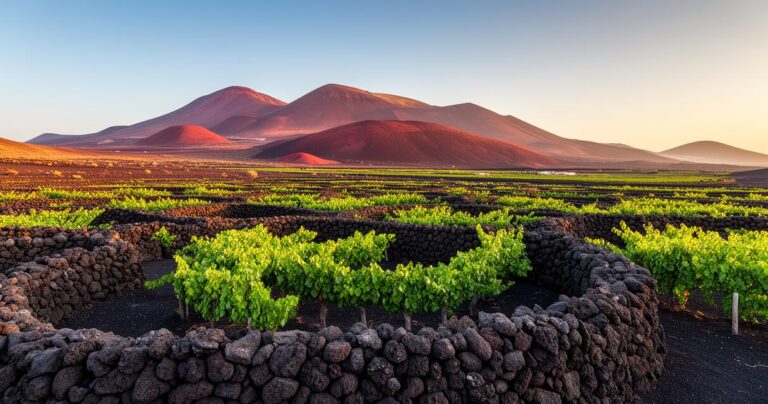
- Lanzarote’s viticulture is uniquely characterized by ‘heroic’ techniques, where vines are grown in hand-dug pits protected by stone walls to survive in volcanic ash.
- Visiting Bodegas EL GRIFO in autumn and winter offers a quieter experience, allowing visitors to witness post-harvest cellar activity or enjoy the dormant, serene volcanic landscape.
- Founded in 1775, the estate is one of Spain’s oldest, maintaining a historic connection to the land through its original winery building and centenarian vines.
- Due to the island’s isolation, the winery preserves rare, ungrafted vines that escaped the phylloxera epidemic, contributing to the distinct character of its indigenous grape varieties.
- The estate balances historical heritage with modern sustainability, utilizing photovoltaic energy and innovative CO₂ recovery systems in its production process.
- Visitors can explore the winery through guided tastings or multilingual audioguide tours that provide insight into the unique terroir and winemaking traditions of La Geria.
Why Autumn and Winter Are the Right Seasons to Visit a Lanzarote Bodega
When the summer crowds begin to thin and the light shifts to something gentler, Lanzarote reveals a quieter, more contemplative side. For those with a keen interest in wine tourism, this change of season is well worth noting. A visit to Bodegas EL GRIFO during these months carries a different rhythm to a summer trip, and that rhythm has a great deal to recommend it.
Autumn: Catching the Winery at Work After the Summer Harvest
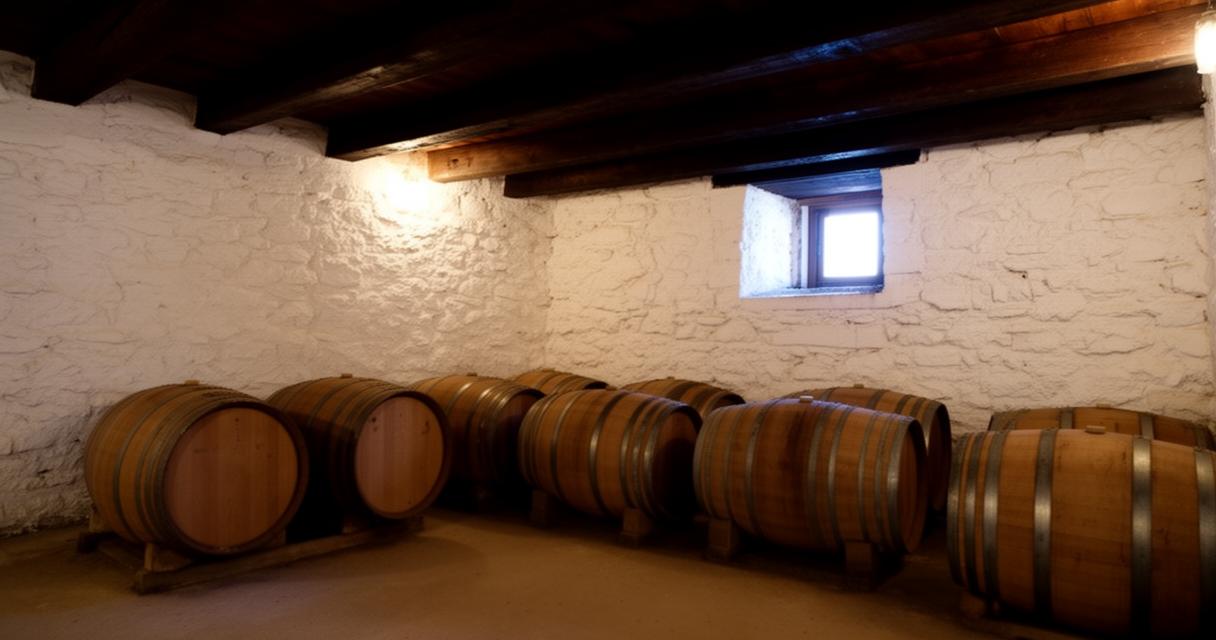
The harvest at this estate takes place in summer, which means that by early autumn, the cellars are alive with the work that follows the picking. Fermentation is under way, the air carries the unmistakable scent of young wine, and the team is fully engaged in the craft of winemaking. For visitors arriving in October or November, the experience of a guided tasting or a self-guided tour takes on an added dimension: you are not simply seeing a finished product, but catching the estate mid-process, at a moment when the year’s work is becoming something tangible. The volcanic landscape of La Geria Protected Landscape also softens in autumn, the harsh summer sun giving way to warmer, more amber-toned afternoons that make the drive along the LZ-30 (the road linking Uga to Mozaga) genuinely scenic.
Winter: Golden Light, Quiet Vines and an Unhurried Pace Across La Geria Protected Landscape
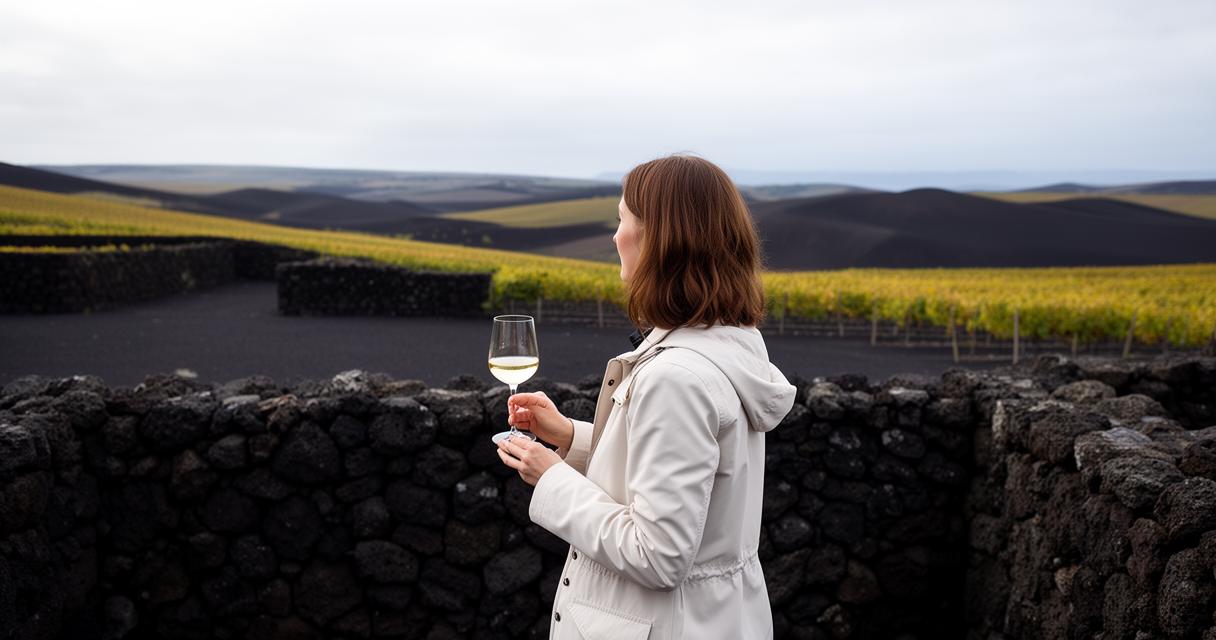
Winter in Lanzarote is mild, and the island’s interior empties considerably of its peak-season visitors. The vines in their characteristic pits stand dormant against the dark volcanic cinder, and the low winter sun throws long shadows across the stone walls that protect each plant from the trade winds. This is the season for unhurried exploration, for sitting on a terrace with a glass of Malvasía Volcánica and simply taking in the view. The winery sits on Lanzarote, Biosphere Reserve, and in winter that designation feels most present: the landscape is still, the air is clear, and the connection between the wine in your glass and the extraordinary terrain around you is easier to feel. For visitors staying in Puerto del Carmen, the bodega is roughly ten minutes away by car; from Arrecife, the journey takes around twenty minutes.
What Makes Bodegas EL GRIFO Worth the Drive Along the LZ-30
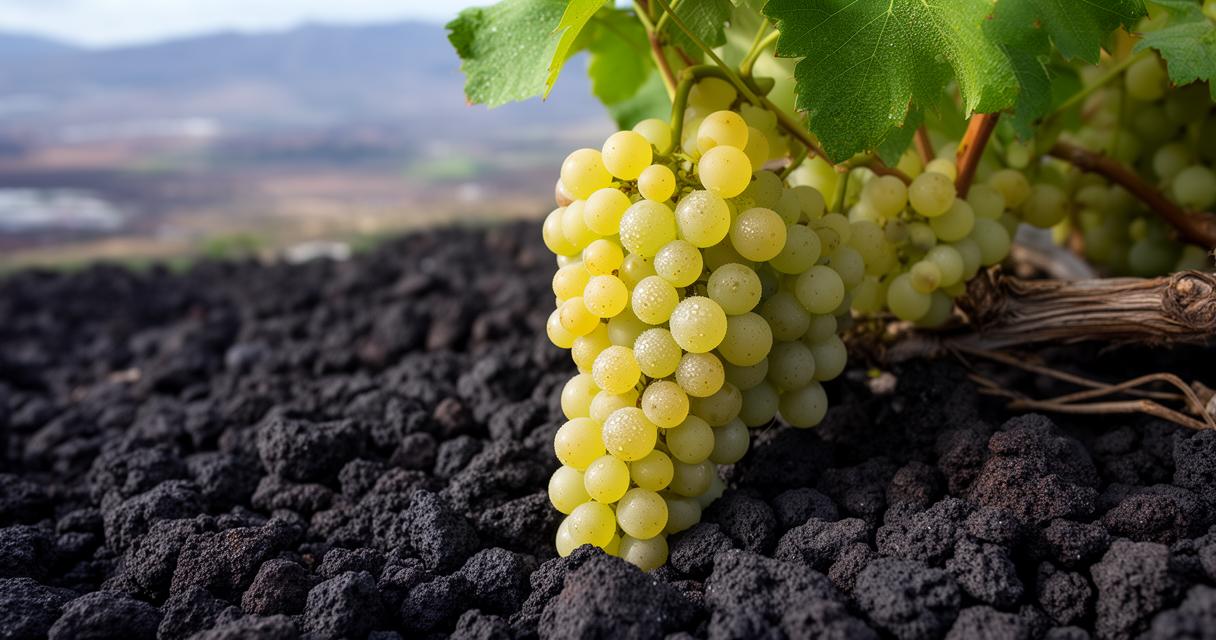
Not every winery can claim 250 years of unbroken history in a single location. Founded in 1775, this estate is considered one of the ten oldest wineries in Spain, and that longevity is not merely a point of pride, it is woven into everything from the original press preserved in the Wine Museum to the centenarian vines still producing fruit in the fields today.
Volcanic Pits, Ungrafted Vines and 250 Years of Winemaking History
The story of winemaking in La Geria begins with catastrophe. When the eruptions of the eighteenth century buried the island’s agricultural land under metres of lava and volcanic ash, local farmers discovered that the layer of porous cinder (known locally as picón) had a remarkable property: it absorbed the moisture of the night-time dew and held it, allowing vines to survive without any irrigation at all. Each plant was placed in a hand-dug pit to reach the soil beneath, and a low, curved stone wall was built around it to shield the vine from the wind. This is what the winery describes as heroic viticulture, and the description is apt. Because the island’s isolation meant that phylloxera, the vine louse that devastated European vineyards in the nineteenth century, never reached Lanzarote, the vines here remain ungrafted vines growing on their own roots, a rarity that gives the wines a directness and depth that is genuinely difficult to replicate elsewhere. The estate works with indigenous grape varieties including Malvasía Volcánica, Listán Negro and Vijariego Blanco, and also produces ancient sweet wines that speak to centuries of winemaking tradition. Underpinning all of this is a firm commitment to organic vineyards and regenerative viticulture, with 60% of the winery’s energy currently supplied by its own photovoltaic panels, and an innovative system called Oresteo that recovers and reuses the CO₂ produced during fermentation. Research into climate adaptation, indigenous yeasts and the aromatic profile of Malvasía Volcánica is ongoing.
Planning your visit: guided experiences, audioguide tours and practical opening hours
The estate opens Monday to Friday from 10:00 to 18:30. Guided wine experiences and tasting sessions, available in Spanish and English, must be booked in advance online; the last entry for visits and experiences is at 17:15. For those who prefer to explore at their own pace, a self-guided tour using an audioguide on your own phone is available in five languages (Spanish, English, French, Italian and German) and includes a commented tasting of two wines. The audioguide has been widely praised for its depth and clarity. A visit to the Wine Museum, housed in the original bodega building, brings you face to face with the founding stone dated 1775 and the estate’s original press. The cactus garden at the entrance and the terrace offer space to linger, and a wine bar and shop on site mean you can take bottles home with you. For those elsewhere in Europe, the estate also offers online sales with delivery across the continent.
Bodegas EL GRIFO
LZ-30, Km 11, 35559 San Bartolomé, Las Palmas
Téléphone : +34 928 52 40 36
Whether you are a seasoned wine enthusiast or simply someone who wants to understand why Lanzarote’s wines taste the way they do, a visit to this estate during the quieter months rewards curiosity in equal measure. The tasting experiences here are described as educational and approachable, welcoming to those with little prior knowledge of wine as much as to those who already know their way around a barrel. The warmth of the welcome (from reception through to the tasting room) is something visitors consistently mention. It is, in short, the kind of place where the landscape, the history and the wine all tell the same story, and where autumn and winter give you the time and the space to hear it properly.