
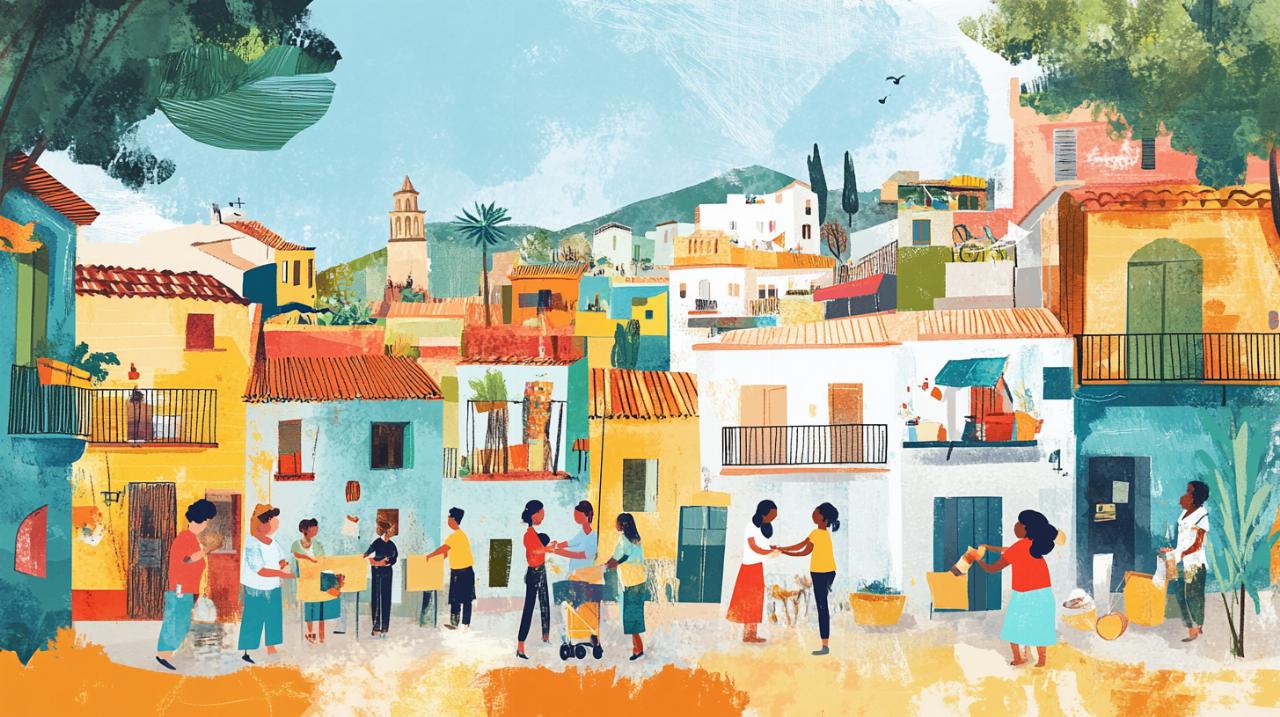
Spain has long captured the imagination of those eager to give back whilst soaking up Mediterranean sunshine and vibrant culture. Whether you're drawn to working alongside rescued animals, teaching youngsters English, or supporting community initiatives in bustling Barcelona, the variety of placements available is truly impressive. Before diving headfirst into this adventure, it's essential to understand how to identify rewarding roles that align with your passions, navigate the practical requirements, and ultimately make a meaningful contribution to the communities and causes you care about.
Identifying Your Passions and Skills for Meaningful Volunteering
Discovering what you're proper keen on
Finding the right placement begins with honest self-reflection. Consider what genuinely excites you and what activities make you lose track of time. If you adore spending time with animals, roles at dog refuges or animal rescue shelters might be ideal. For those who thrive on human connection and education, teaching English or working with local youth could prove incredibly fulfilling. volunteer opportunities in spain span a remarkable range, from organic farms and vineyard projects to beach cleaning and art therapy initiatives. Taking the time to pinpoint your genuine interests ensures that your experience will be both enjoyable and impactful, rather than feeling like a chore.
Assessing Your Talents and What You're a Dab Hand At
Beyond passion, your existing skills can significantly shape the volunteering role that suits you best. Perhaps you're a dab hand at carpentry, masonry, or electrical work, making building and restoration projects a natural fit. If you possess a knack for social media marketing or digital communications, organisations supporting schools or community centres may welcome your expertise. Even talents that seem modest, such as gardening or cooking, are highly valued on organic farms and homesteads. Many hosts in Spain specifically seek volunteers with practical abilities to help with farmhouse renovation, sustainable agriculture, or simply maintaining beautiful garden spaces. By aligning your skills with the needs of a project, you maximise your contribution and gain a deeper sense of achievement.
Planning your time commitment and availability
Evaluating how much time you can realistically dedicate
Before committing to any placement, it's vital to assess how much time you can genuinely offer. Volunteering programmes in Spain typically range from one week to several months, with many placements requiring a minimum commitment to ensure continuity and effectiveness. If you only have a fortnight available, shorter projects such as assisting at summer camps or language exchanges might suit you best. Conversely, if you can dedicate several weeks or even months, opportunities in animal care, permaculture farms, or teaching roles will allow you to immerse yourself fully and witness the fruits of your labour. Starting your planning three to four months in advance gives you ample time to research options, communicate with hosts, and arrange travel logistics without feeling rushed.
Balancing Volunteering with Your Personal and Professional Life
Juggling volunteering with work, family, and other commitments requires thoughtful planning. If you're employed, discuss the possibility of taking unpaid leave or sabbatical time with your employer well in advance. Many organisations are increasingly supportive of staff seeking volunteering experiences abroad, recognising the personal growth and skills development such opportunities provide. For those with family responsibilities, certain placements welcome families and children, allowing everyone to participate and benefit. Ensuring that your personal and professional obligations are managed before departure reduces stress and allows you to focus entirely on your volunteering role once you arrive in Spain.
Researching reputable organisations in spain
Finding proper reputable charities and non-profits
Conducting thorough research into potential organisations is crucial to ensure your time and effort are well spent. Look for charities and non-profits with a proven track record, transparent operations, and clear mission statements. Many organisations in Spain have established reputations for excellence in areas such as animal welfare, environmental conservation, and community support. Organisations that offer free board and lodgings without charging hefty programme fees are often community-driven and genuinely focused on making a difference. Reading testimonials from past volunteers provides valuable insight into the day-to-day experience and the level of support you can expect.
Having a Butcher's at Websites and Online Reviews
Once you've identified potential organisations, take time to have a butcher's at their websites and scrutinise online reviews. Websites should provide comprehensive information about the types of projects available, the expectations placed on volunteers, and the support structures in place. Look for detailed descriptions of daily tasks, accommodation arrangements, and any additional costs that might arise. Online reviews on platforms dedicated to volunteering abroad offer candid feedback from previous participants, highlighting both strengths and potential drawbacks. This research phase helps you avoid organisations that may not deliver on their promises and ensures that your volunteering experience will be both safe and rewarding.
Utilising online platforms to discover opportunities
Exploring websites dedicated to volunteer opportunities
The internet has revolutionised the way people discover and apply for volunteering roles. Dedicated websites compile extensive listings of volunteer opportunities in Spain, covering everything from backpacker hostels and hospitality roles to marine conservation and youth support projects. These platforms allow you to filter opportunities based on your interests, duration, location, and skills, making it straightforward to identify placements that match your criteria. Some websites also offer profiles and reviews of host organisations, enabling you to make informed decisions before reaching out.
Using Digital Tools to Search for Placements in Spain
Beyond browsing listings, digital tools such as search filters, interactive maps, and email alerts can streamline your search for the perfect placement. Many platforms allow you to set preferences for regions within Spain, such as Barcelona, Bilbao, the Canary Islands, or Galicia, ensuring that you find opportunities in areas that appeal to you. Email alerts notify you when new placements matching your criteria become available, giving you a competitive edge in securing popular roles. Leveraging these digital tools saves time and ensures that you don't miss out on exciting opportunities.
Networking and seeking personal recommendations
Having a Chinwag with Mates and Family About Their Experiences
Personal recommendations can be invaluable when searching for rewarding volunteer roles. Having a chinwag with mates and family members who have volunteered in Spain provides firsthand insights that online reviews and websites cannot fully capture. They can share practical tips about what to pack, how to navigate cultural differences, and which organisations truly deliver on their promises. These conversations often reveal hidden gems, such as lesser-known projects that offer incredibly enriching experiences, and help you avoid potential pitfalls.
Leveraging Work Colleagues' Insights on Volunteering in Spain
Work colleagues who have taken time to volunteer abroad can also be excellent sources of advice and encouragement. They may have insights into how to negotiate time off, how to balance volunteering with career progression, and which types of roles best suit different skill sets. Building a network of people who have volunteered in Spain not only provides practical guidance but also connects you with a community of like-minded individuals who understand the rewards and challenges of this type of work.
Understanding visa and permit requirements

Checking what necessary visas you'll need
Visa requirements for volunteering in Spain vary depending on your nationality and the length of your stay. Many visitors from the European Union, United States, Canada, and other countries can stay for up to 90 days without a visa, making short-term placements straightforward. However, if you plan to volunteer for longer than three months, you will likely need to apply for a specific visa or residence permit. It's essential to check the latest regulations with the Spanish consulate or embassy in your country well before your departure date, as processing times can vary and requirements may change.
Ensuring You've Got the Proper Permits to Volunteer Fair and Square
Beyond visas, certain types of volunteering may require additional permits or documentation, particularly if your role involves working with vulnerable populations such as children or animals. Some organisations will assist with the necessary paperwork, while others expect volunteers to handle it independently. Ensuring you've got the proper permits fair and square not only keeps you on the right side of the law but also demonstrates your commitment and professionalism to the host organisation. Taking care of these administrative details early prevents last-minute stress and allows you to focus on preparing for the experience itself.
Considering language skills and cultural integration
Assessing the Benefits of Knowing a Bit of Spanish
While fluency in Spanish is not always essential for volunteering in Spain, knowing a bit of the language significantly enhances your experience. Basic conversational skills enable you to communicate more effectively with colleagues, locals, and those you are helping, fostering deeper connections and mutual understanding. Many organisations offer short intensive Spanish courses as part of their programmes, allowing you to improve your language abilities whilst settling into your role. Even a few phrases can go a long way in demonstrating respect for the local culture and making day-to-day interactions smoother and more enjoyable.
Connecting with Locals to Enhance Your Volunteering Experience
Volunteering in Spain offers a unique opportunity to immerse yourself in local culture and build lasting relationships with residents. Taking the time to connect with locals, whether through language exchange meetings, community events, or simply sharing meals, enriches your understanding of Spanish life and values. These interactions often lead to lifelong friendships and provide a more nuanced perspective on the issues your volunteering work addresses. Engaging with the community also helps you adapt more quickly to your new environment and feel more at home during your stay.
Embracing Flexibility and an Open Mind
Preparing to Get Used to Different Cultures
Volunteering abroad requires a willingness to get used to different cultures, customs, and ways of doing things. Spain's regional diversity means that traditions, dialects, and daily routines can vary significantly from one area to another. Approaching your placement with an open mind and a flexible attitude allows you to embrace these differences rather than resist them. Challenges such as language barriers, different working hours, or unfamiliar food become opportunities for growth and learning when met with curiosity and patience.
Adapting to varied working environments
The working environments you encounter whilst volunteering in Spain can differ greatly depending on the type of project. Whether you're working on an organic farm, assisting in a bustling hostel, or supporting a community centre, each setting presents its own rhythm and expectations. Adapting to varied working environments means being prepared to take on tasks outside your comfort zone, collaborating with diverse teams, and adjusting your approach as circumstances change. This flexibility not only makes you a more effective volunteer but also enriches your overall experience, helping you develop resilience and adaptability.
Navigating the Application and Interview Process
Getting your application in for suitable opportunities
Once you've identified placements that align with your interests and availability, it's time to get your application in. Most organisations require you to complete a profile with a photo, details about your nationality, travel preferences, skills, and personal information. Crafting a polite and informative message to the host is crucial. Show that you understand their needs, clearly indicate your availability, outline your interests and relevant experience, and mention any dietary requirements or other considerations. A well-written application demonstrates professionalism and enthusiasm, increasing your chances of securing the placement.
Attending Interviews and Making a Positive Impression
Some organisations conduct interviews, either in person or via video call, to assess your suitability and ensure a good fit. Preparing for these interviews involves researching the organisation thoroughly, anticipating common questions, and reflecting on how your skills and experiences align with the role. Making a positive impression means being honest, enthusiastic, and respectful throughout the conversation. Ask thoughtful questions about the day-to-day responsibilities, support systems, and expectations to demonstrate your genuine interest and commitment. A successful interview not only secures your placement but also lays the foundation for a strong working relationship with your host organisation.
Getting Stuck In and Making a Genuine Difference
Embracing the volunteering experience wholeheartedly
Once accepted, the key to a truly rewarding experience is to embrace the adventure wholeheartedly. Arrive with an open heart, ready to learn, contribute, and form meaningful connections. Whether you're teaching English in a Spanish school, caring for rescued horses in Mallorca, or supporting sustainable gardening projects, fully engaging with the work and the people around you maximises the impact you can make. Embracing both the highs and the challenges ensures that your time in Spain is not only memorable but also deeply fulfilling.
Bunging In Your Skills to Support the Cause
Finally, bunging in your skills and energy to support the cause you've chosen is what volunteering is all about. Every task, no matter how small, contributes to the larger mission of the organisation. Whether you're painting a community centre, assisting with beach cleaning, or helping with social media marketing, your efforts make a tangible difference. Recognising the value of your contribution and staying motivated throughout your placement ensures that you leave a positive legacy and return home with a sense of accomplishment and enriched perspective. Volunteering in Spain offers a remarkable opportunity to give back whilst experiencing the country's rich culture, stunning landscapes, and warm hospitality, creating memories and friendships that last a lifetime.